posted in

Thanksgiving at Manna - 2025

SERVICE NOTES
Watch Service:
https://youtu.be/nhhYQMTHhVo 
Sermon Link: https://fayftbragg.manna.church/sermons/thanksgiving-focusing-your-feasts-of-the-lord-jonathan-fletcher/ 
Blog Post: https://faith.drtracie.com/post/thanksgiving2025 
Service Notebook: https://docs.google.com/document/d/1vYVpEUxJ3i7zlDLWwAFhvCCFvO9sNjqX1iUn-v_pPdI/edit?usp=sharing 


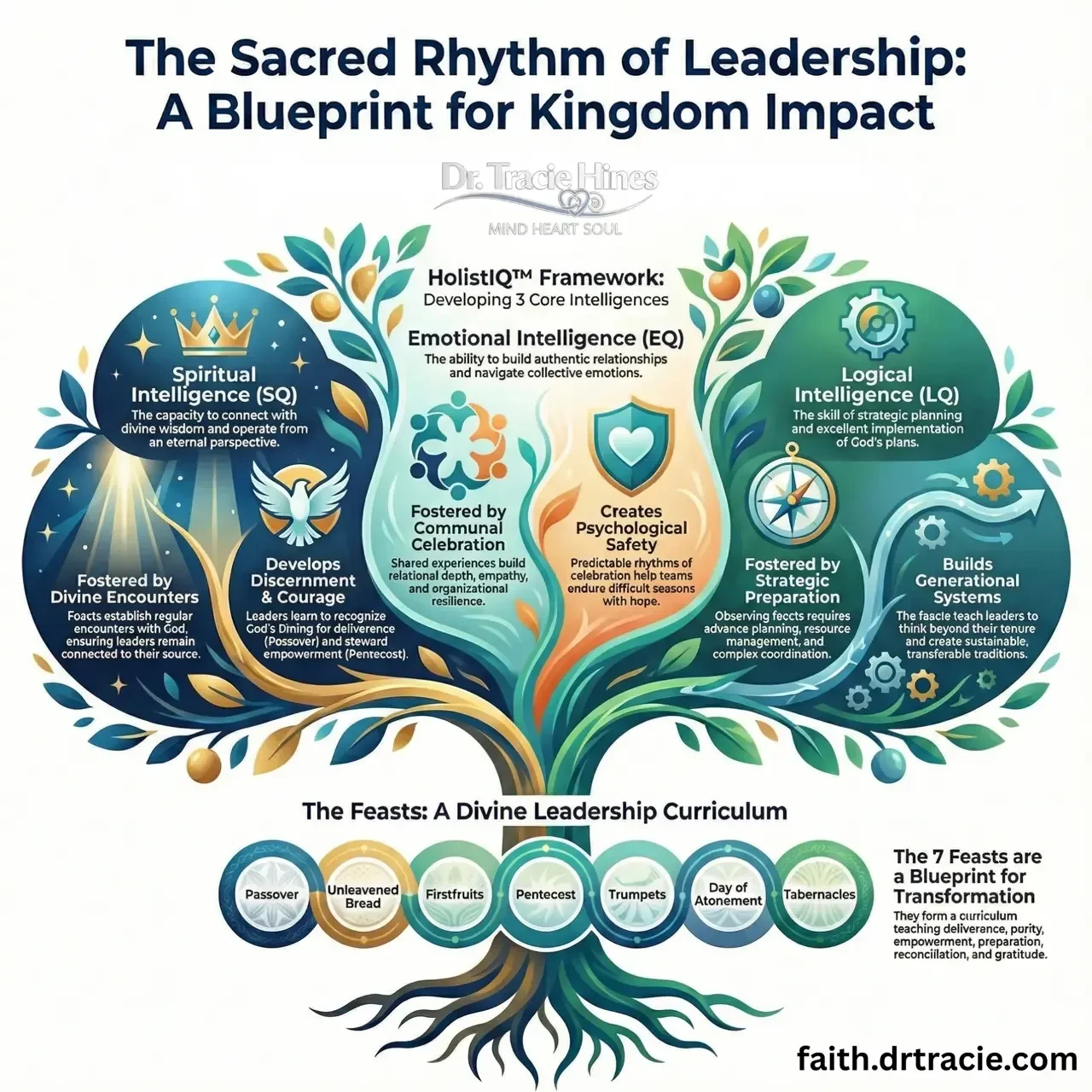
Thanksgiving | Focusing Your “Feasts of the Lord”
Jonathan Fletcher
November 26 & 30, 2025

Leviticus 23 (ESV)

Holidays exist to center our attention on God.

Scripture 1: Leviticus 23 (ESV)

Scripture Text:
As Leviticus 23 is a lengthy chapter, here is a selected section that outlines the concept of the "Feasts of the Lord", focusing attention on God through set times and rhythms:

  1. “The Lord spoke to Moses, saying,

  2. 'Speak to the people of Israel and say to them, These are the appointed feasts of the Lord that you shall proclaim as holy convocations; they are my appointed feasts.'"
    (leaving further specific verses available on request)

Meaning:
Leviticus 23 outlines God's command to Israel to observe certain festivals throughout the year. Each feast is a rhythm designed to center the community on God, setting apart regular times for sacred assembly, worship, and remembrance. These practices root a people’s life in gratitude, dependence, and worship, demonstrating that every season ultimately belongs to God.

Scripture 2: Psalm 130 (ESV)

Scripture Text:

  1. “Out of the depths I cry to you, O Lord!

  2. O Lord, hear my voice! Let your ears be attentive to the voice of my pleas for mercy!

  3. If you, O Lord, should mark iniquities, O Lord, who could stand?

  4. But with you there is forgiveness, that you may be feared.

  5. I wait for the Lord, my soul waits, and in his word I hope;

  6. my soul waits for the Lord more than watchmen for the morning, more than watchmen for the morning.

  7. O Israel, hope in the Lord! For with the Lord there is steadfast love, and with him is plentiful redemption.

  8. And he will redeem Israel from all his iniquities.”

Meaning:
Psalm 130 is a cry for mercy and redemption. It roots God’s people in humble dependence on His forgiveness and love. Through remembered feasts and rhythms (like in Leviticus 23), families and congregations are taught to approach God with both reverence and hope, knowing He redeems, forgives, and constantly renews.

Scripture 3: Exodus 13:14 (ESV)

Scripture Text:
14. “And when in time to come your son asks you, ‘What does this mean?’ you shall say to him, 'By a strong hand the Lord brought us out of Egypt, from the house of slavery.'”

Meaning:
God instructed that the stories and acts of redemption (like Israel's deliverance) be remembered and retold in families. Feasts and traditions in Israel were to build heritage and instill faith in future generations, forming a living testimony of God's redemption and faithfulness.

Scripture 4: Deuteronomy 16:14 (ESV)

Scripture Text:
14. “You shall rejoice in your feast, you and your son and your daughter, your male servant and your female servant, the Levite, the sojourner, the fatherless, and the widow who are within your towns.”

Meaning:
Thanksgiving and biblical feasts invite all people—household, community, and even the marginalized—into joyful worship and gratitude. The rhythm of communal feasting builds a testimony of God’s inclusive love and redemption for all.

STEP 2

Overall Interpretation and Application

This service emphasizes that holidays and traditions—especially those set by God in scripture—exist to reorient our lives around Him. The “Feasts of the Lord” are spiritual disciplines forming our memory, identity, and community life. The act of gathering, remembering, and rejoicing is how we center gratefulness and faith generation to generation, testifying to God’s powerful redemption.

Practical Steps for Believers

  • Regularly mark moments in your calendar for gratitude and remembrance of God’s works.

  • Create family or communal traditions that retell stories of God’s faithfulness.

  • Use seasons like Thanksgiving to invite others—especially the overlooked—into shared joy.

  • Let every feast, meal, or celebration remind you and others of God’s ongoing redemption.

  • Teach children and newcomers the meaning and purpose behind your worship rhythms, so faith is passed on and grows.

Summary:

God designed feasting and tradition not just for celebration, but for the centering of His people on worship, redemption, and testimony. Thanksgiving, modeled after the biblical feasts, becomes an intentional rhythm that draws individuals, families, and communities deeper into the grateful, redemptive life of faith.

Thanksgiving at Manna - 2025

comm-media__04924533_Thanksgiving 2025.pdf

326.6 KB

comm-media__08892242_Sacred Rhythms.pdf

237.1 KB

posted in

Easter Sunday (2025)

SERVICE NOTES:
Watch Service:
https://youtu.be/G0zSzg_RvH8

Sermon Link: https://fayftbragg.manna.church/sermons/easter-sunday-service-2025/


Chris Fletcher
April 20, 2025


“Now after the Sabbath, toward the dawn of the first day of the week, Mary Magdalene and the other Mary went to see the tomb.”

Matthew 28:1 (ESV)

And behold, there was a great earthquake, for an angel of the Lord descended from heaven and came and rolled back the stone and sat on it. His appearance was like lightning, and his clothing white as snow. And for fear of him the guards trembled and became like dead men. But the angel said to the women, “Do not be afraid, for I know that you seek Jesus who was crucified. He is not here, for he has risen, as he said. Come, see the place where he lay. Then go quickly and tell his disciples that he has risen from the dead, and behold, he is going before you to Galilee; there you will see him. See, I have told you.”

Matthew 28:2-7 (ESV)

“Now the eleven disciples went to Galilee, to the mountain to which Jesus had directed them. And when they saw him they worshiped him, but some doubted.”

Matthew 28:16-17 (ESV)

“And Jesus came and said to them, “All authority in heaven and on earth has been given to me. Go therefore and make disciples of all nations, baptizing them in the name of the Father and of the Son and of the Holy Spirit, teaching them to observe all that I have commanded you. And behold, I am with you always, to the end of the age.”

Matthew 28:18-20 (ESV)

Church Service Breakdown and Devotional

Scripture 1: Matthew 28:1-7

Scripture Text: 1 Now after the Sabbath, toward the dawn of the first day of the week, Mary Magdalene and the other Mary went to see the tomb. 2 And behold, there was a great earthquake, for an angel of the Lord descended from heaven and came and rolled back the stone and sat on it. 3 His appearance was like lightning, and his clothing white as snow. 4 And for fear of him the guards trembled and became like dead men. 5 But the angel said to the women, "Do not be afraid, for I know that you seek Jesus who was crucified. 6 He is not here, for he has risen, as he said. Come, see the place where he lay. 7 Then go quickly and tell his disciples that he has risen from the dead, and behold, he is going before you to Galilee; there you will see him. See, I have told you."

Meaning: This passage captures the miraculous moment of Jesus's resurrection. The women who had faithfully followed Jesus came to the tomb early Sunday morning, only to encounter an angelic messenger and an empty tomb. The earthquake and the angel's appearance emphasize the supernatural nature of this world-changing event. The guards—representing Roman authority—were rendered powerless, while the women were entrusted with the first announcement of the resurrection. The angel's message confirms that Jesus's resurrection was not unexpected but fulfilled exactly what He had predicted. The women were commissioned to be the first evangelists, carrying the good news to the disciples.

Scripture 2: Matthew 28:16-20

Scripture Text: 16 Now the eleven disciples went to Galilee, to the mountain to which Jesus had directed them. 17 And when they saw him, they worshiped him, but some doubted. 18 And Jesus came and said to them, "All authority in heaven and on earth has been given to me. 19 Go therefore and make disciples of all nations, baptizing them in the name of the Father and of the Son and of the Holy Spirit, 20 teaching them to observe all that I have commanded you. And behold, I am with you always, to the end of the age."

Meaning: This passage, commonly known as the Great Commission, shows the resurrected Jesus meeting with His disciples and giving them their mission. Notably, even in His presence, some disciples still struggled with doubt, showing the honest humanity of the biblical account. Jesus declares His complete authority over all creation—the foundation for the mission He then gives. The disciples are commanded to make more disciples globally, bringing people into a relationship with the Triune God through baptism and teaching obedience to Jesus's commands. The passage ends with Jesus's powerful promise of His eternal presence, assuring believers that they never serve alone.

Overall Interpretation and Application:

The Easter story moves from death to life, from grief to glory. These passages show this transformation happening at two levels: first, in the physical resurrection of Jesus from the grave, and second, in the spiritual transformation of fearful followers into bold witnesses. The resurrection isn't merely a historical event to celebrate but the foundation for our ongoing mission. Jesus's victory over death validates His authority and empowers believers to continue His work with confidence. The resurrection proves that God's redemptive power is greater than any darkness, including death itself. For believers today, Easter reminds us that our faith is built on the reality of an empty tomb and a risen Savior who remains present with us as we carry His message to the world.

Practical Steps for Believers:

1.     Embrace the reality of the resurrection - Allow the truth of Christ's victory over death to dispel fear and doubt in your life.

2.     Recognize your role as a witness - Like the women at the tomb, you are called to share the good news of Jesus's resurrection with others.

3.     Submit to Christ's authority - Acknowledge Jesus's lordship over every area of your life, yielding to His direction.

4.     Engage in disciple-making - Identify specific ways you can participate in the Great Commission through evangelism, mentoring, and teaching.

5.     Practice Jesus's presence - Cultivate daily awareness of Christ's promise to be with you always, especially in challenging circumstances.

6.     Move from doubt to worship - When doubts arise, follow the example of the disciples who chose to worship even while processing their questions.

7.     Live in resurrection power - Apply the same power that raised Jesus from the dead to areas in your life that need transformation or renewal.

8.     Celebrate new beginnings - Just as Easter represents a new dawn, identify areas where God is bringing new life and hope in your circumstances.

Easter Sunday (2025)

comm-media__53706935_Part 2 - Easter.pdf

188.8 KB

posted in

Easter 2025 (Palm Sunday)

SERVICE NOTES:
Watch Service:
https://youtu.be/dBP9l5_dAVE

Sermon Link: https://fayftbragg.manna.church/sermons/palm-sunday/

Chris Fletcher
April 10 & 13, 2025

“Now when they drew near to Jerusalem and came to Bethphage, to the Mount of Olives, then Jesus sent two disciples, saying to them, “Go into the village in front of you, and immediately you will find a donkey tied, and a colt with her. Untie them and bring them to me.

If anyone says anything to you, you shall say, ‘The Lord needs them,’ and he will send them at once.” This took place to fulfill what was spoken by the prophet, saying,“Say to the daughter of Zion,

‘Behold, your king is coming to you, humble, and mounted on a donkey, on a colt, the foal of a beast of burden.’” The disciples went and did as Jesus had directed them. They brought the donkey and the colt and put on them their cloaks, and he sat on them.

Most of the crowd spread their cloaks on the road, and others cut branches from the trees and spread them on the road. And the crowds that went before him and that followed him were shouting, “Hosanna to the Son of David!

Blessed is he who comes in the name of the Lord! Hosanna in the highest!” And when he entered Jerusalem, the whole city was stirred up, saying, “Who is this?” And the crowds said, “This is the prophet Jesus, from Nazareth of Galilee.”

Matthew 21:1-11 (ESV)

And Jesus entered the temple and drove out all who sold and bought in the temple, and he overturned the tables of the money-changers and the seats of those who sold pigeons. He said to them, “It is written, ‘My house shall be called a house of prayer,’ but you make it a den of robbers.”

And the blind and the lame came to him in the temple, and he healed them. But when the chief priests and the scribes saw the wonderful things that he did, and the children crying out in the temple, “Hosanna to the Son of David!”
they were indignant, and they said to him,

“Do you hear what these are saying?” And Jesus said to them,
“Yes; have you never read,“‘Out of the mouth of infants and nursing babies you have prepared praise’?” And leaving them, he went out of the city to Bethany and lodged there.

Matthew 21:12-17 (ESV)

Church Service Breakdown and Devotional

Date: April 10 & 13, 2025

Message Title: Palm Sunday | Power, Authority, The Throne

Scripture 1: Matthew 21:1-11 (ESV)

Scripture Text:

1.     Now when they drew near to Jerusalem and came to Bethphage, to the Mount of Olives, then Jesus sent two disciples,

2.     saying to them, “Go into the village in front of you, and immediately you will find a donkey tied, and a colt with her. Untie them and bring them to me.

3.     If anyone says anything to you, you shall say, ‘The Lord needs them,’ and he will send them at once.”

4.     This took place to fulfill what was spoken by the prophet, saying,

5.     “Say to the daughter of Zion, ‘Behold, your king is coming to you, humble, and mounted on a donkey, on a colt, the foal of a beast of burden.’”

6.     The disciples went and did as Jesus had directed them.

7.     They brought the donkey and the colt and put on them their cloaks, and he sat on them.

8.     Most of the crowd spread their cloaks on the road, and others cut branches from the trees and spread them on the road.

9.     And the crowds that went before him and that followed him were shouting, “Hosanna to the Son of David! Blessed is he who comes in the name of the Lord! Hosanna in the highest!”

10.  And when he entered Jerusalem, the whole city was stirred up, saying, “Who is this?”

11.  And the crowds said, “This is the prophet, Jesus, from Nazareth of Galilee.”

Meaning: Matthew 21:1-11 describes Jesus' triumphant entry into Jerusalem, fulfilling the prophecy and presenting Him as the Messiah. This passage highlights His humility by riding on a donkey, signifying peace rather than royal equestrian grandeur. The crowd’s response with shouts of "Hosanna" and spreading cloaks and branches reflects the recognition and celebration of Jesus as the anticipated Savior.

Scripture 2: Matthew 21:12-17 (ESV)

Scripture Text: 12. And Jesus entered the temple and drove out all who sold and bought in the temple, and he overturned the tables of the money-changers and the seats of those who sold pigeons. 13. He said to them, “It is written, ‘My house shall be called a house of prayer,’ but you make it a den of robbers.” 14. And the blind and the lame came to him in the temple, and he healed them. 15. But when the chief priests and the scribes saw the wonderful things that he did, and the children crying out in the temple, “Hosanna to the Son of David!” they were indignant, 16. and they said to him, “Do you hear what these are saying?” And Jesus said to them, “Yes; have you never read, ‘Out of the mouth of infants and nursing babies you have prepared praise’?” 17. And leaving them, he went out of the city to Bethany and lodged there.

Meaning: Matthew 21:12-17 illustrates Jesus cleansing the temple, emphasizing its intended sanctity as a house of prayer. Jesus' actions underline His authority over religious practices and His disdain for the commercialization of worship. His healing of the blind and lame in the temple signifies His compassion and divine power. The indignant reaction of the religious leaders contrasts with the pure praise from children, highlighting true acceptance of Jesus's messianic identity.

Overall Interpretation and Application:

Overall Interpretation:

Palm Sunday marks Jesus' entry into Jerusalem, symbolizing the arrival of a humble Messiah. His actions in the temple reflect His authority to purify and reclaim worship practices. The mixed reception—cheers from the crowd and hostility from religious leaders—foreshadows the conflict leading to His crucifixion.

Practical Steps for Believers:

1.     Acknowledge Jesus' Humility and Authority:

1.     Reflect on Jesus as both the humble servant and authoritative King.

2.     Embrace Pure Worship:

1.     Ensure that worship and spiritual practices remain sincere and focused on God.

3.     Celebrate Jesus's Kingship:

1.     Honor Jesus as Savior, bringing peace and fulfilling God's promises.

Summary: The message emphasizes Jesus’ dual role of a humble servant and authoritative King, inviting believers to worship purely and recognize His sovereignty.

Authority of Jesus

The passage from Matthew 21:1-17 conveys several key messages about authority, particularly highlighting Jesus’ divine authority in various contexts:

1. Fulfillment of Prophecy and Messianic Authority (Matthew 21:1-11)

Verses:

·       1-3: Jesus instructs the disciples to fetch a donkey and colt, signaling His foreknowledge and control over events.

·       4-5: This act fulfills the prophecy from Zechariah 9:9, demonstrating Jesus' authority as the prophesied Messiah.

·       6-9: The people's response, shouting "Hosanna," acknowledges His messianic kingship.

Message: By choosing to enter Jerusalem on a donkey, Jesus asserts His authority as the Messiah who fulfills Old Testament prophecies. His choice of a humble animal signifies a kingdom characterized by peace rather than military power, emphasizing a different kind of authority—one rooted in humility and divine purpose.

2. Cleansing the Temple and Moral Authority (Matthew 21:12-13)

Verses:

·       12: Jesus drives out the merchants and overturns the tables of money changers in the temple.

·       13: He declares, “My house shall be called a house of prayer,” but condemns it being turned into a “den of robbers.”

Message: Jesus demonstrates His moral and spiritual authority by cleansing the temple. This act underscores His right to purify and correct religious practices, challenging the exploitation of sacred spaces. It signifies His authority to define true worship and to confront corruption and injustice within religious institutions.

3. Healing Miracles and Compassionate Authority (Matthew 21:14)

Verse:

·       14: Jesus heals the blind and lame in the temple.

Message: Through healing, Jesus shows His compassionate authority as the Son of God who cares for the marginalized and afflicted. This compassionate authority underscores that His kingdom prioritizes mercy, healing, and restoration, aligning with His role as the Savior.

4. Confrontation with Religious Leaders and Scriptural Authority (Matthew 21:15-17)

Verses:

·       15-16: The religious leaders are indignant at the children’s praise of Jesus, but Jesus defends this praise, citing Psalm 8:2.

·       17: After addressing the leaders, Jesus leaves for Bethany.

Message: This confrontation reveals Jesus' authority over religious leaders and His interpretation of Scripture. By upholding the children’s praise and referencing Scripture (Psalm 8:2), Jesus affirms His divine authority and the legitimacy of His messianic identity, challenging established religious power structures.

Summary:

The passage conveys that Jesus’ authority is multifaceted:

·       Messianic Authority: As the fulfillment of prophecy.

·       Moral and Spiritual Authority: In cleansing the temple and defining true worship.

·       Compassionate Authority: Through acts of healing and mercy.

·       Scriptural Authority: In confronting religious leaders and upholding Scriptural truths.

Overall, it highlights that Jesus’ authority is rooted in humility, service, justice, and divine mandate, contrasting with worldly notions of power and control.

Practical Applications:

1. Embody Humility and Service

Application:

·       Practice Humility: Like Jesus, who chose to enter Jerusalem on a donkey, believers are called to lead lives marked by humility. This involves serving others, putting their needs above your own, and shunning pride and arrogance.

·       Serve Others: Engage in acts of service within your community. Volunteer at local shelters, participate in church outreach programs, and assist those in need. This reflects Christ's humility and servant leadership.

2. Pursue Pure and Authentic Worship

Application:

·       Focus on Genuine Worship: Ensure that your worship practices are sincere and focused on God. Avoid distractions and commercialization of worship. Make prayer, scripture reading, and reflective meditation central to your personal and corporate worship.

·       Cultivate a Reverent Attitude: Approach worship with reverence and respect, recognizing the sanctity of the space and the act. Encourage others to maintain this reverent attitude as well.

3. Promote Justice and Integrity

Application:

·       Stand Against Injustice: Like Jesus cleansing the temple, take a stand against corruption, exploitation, and injustice in your community and within institutions. This could involve advocating for fair practices, supporting anti-corruption initiatives, and promoting ethical behavior.

·       Maintain Integrity: In your personal and professional life, ensure that your actions reflect integrity and honesty. Be transparent and fair in your dealings, avoiding deceit and manipulation.

4. Show Compassion and Care

Application:

·       Care for the Marginalized: Follow Jesus' example of healing and caring for the marginalized. Support those who are sick, disabled, or in need. This can be through direct assistance, supporting healthcare initiatives, or participating in charity work.

·       Practice Kindness: Show kindness and compassion in everyday interactions. Offer a listening ear, provide emotional support to those struggling, and be a source of encouragement and hope.

5. Uphold Scriptural Truths

Application:

·       Study and Apply Scripture: Regularly study the Bible and apply its teachings to your life. Ensure that your beliefs and actions are aligned with biblical principles.

·       Teach and Defend the Faith: Be prepared to teach and defend the truths of Scripture. This can involve leading Bible studies, engaging in theological discussions, and correcting misunderstandings about the faith.

Practical Steps for Believers: Palm Sunday | Power, Authority, The Throne

1. Acknowledge Jesus' Humility and Authority

·       Daily Reflection: Spend time each day reflecting on Jesus' humility and authority. Consider how you can embody these qualities in your own life.

·       Prayer of Humility: Pray for a humble heart and the ability to recognize and submit to God's authority in all areas of your life.

2. Embrace Pure Worship

·       Review Worship Practices: Evaluate your worship practices to ensure they are focused on God and free from distractions.

·       Create Sacred Spaces: Designate specific times and places for undistracted worship and prayer in your home.

3. Engage in Justice and Integrity

·       Advocate for Fairness: Get involved in local initiatives that promote justice and integrity. This could be through community organizations, social justice groups, or church ministries.

·       Personal Integrity: Commit to honesty and fairness in all your personal and professional dealings.

4. Show Compassion and Mercy

·       Volunteer: Offer your time and resources to help those in need within your community through volunteering or charitable activities.

·       Support the Vulnerable: Identify vulnerable individuals in your community and find tangible ways to support them, whether through financial assistance, mentorship, or providing basic needs.

5. Teach and Uphold Scriptural Truths

·       Bible Study: Join or lead a Bible study group to deepen your understanding of Scripture and share insights with others.

·       Defend the Faith: Be prepared to explain and defend your faith kindly and respectfully whenever opportunities arise.

Summary:

By acknowledging Jesus' humility and authority, embracing pure worship, engaging in justice and integrity, showing compassion, and upholding scriptural truths, believers can practically apply the message of this passage to their daily lives, reflecting Christ's teachings and example in tangible ways.

Easter 2025 (Palm Sunday)

comm-media__08731176_Part 1 - Palm Sunday.pdf

231.6 KB

Scroll to load more